Karst
Red soil (terra rossa) and the bora wind. Teran, vitovska and malvazija, mineral and fresh wines.
Štemberger · Švara · Čotar · Renčel
A short guide to natural wine: what it is, what orange wine is, which Slovenian regions it comes from and how to drink it.
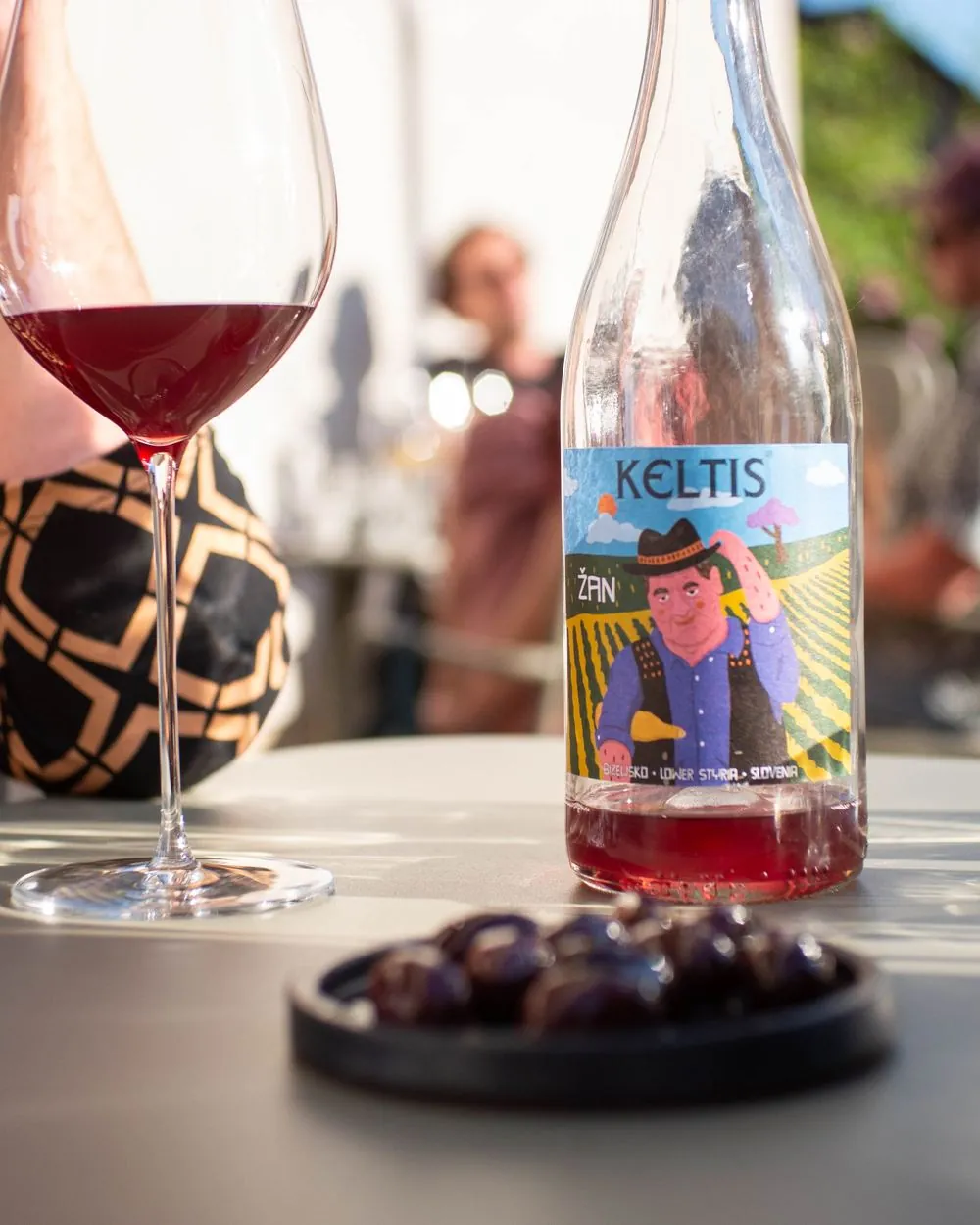
Natural wine is wine with as little as possible added or taken away in the cellar.
The grapes are farmed organically or biodynamically and picked by hand. The wine ferments on its own, with the wild yeasts that live on the grapes and in the cellar. No sugar, acid, enzymes, colour or flavourings are added, the wine isn’t filtered or heavily fined, and sulphur is low or zero.
There is no official EU definition. France was the first to introduce a label, “Vin méthode nature”, in 2020. Everywhere else we rely on the winemakers and on knowing them. That’s why we choose our wines at their homes.
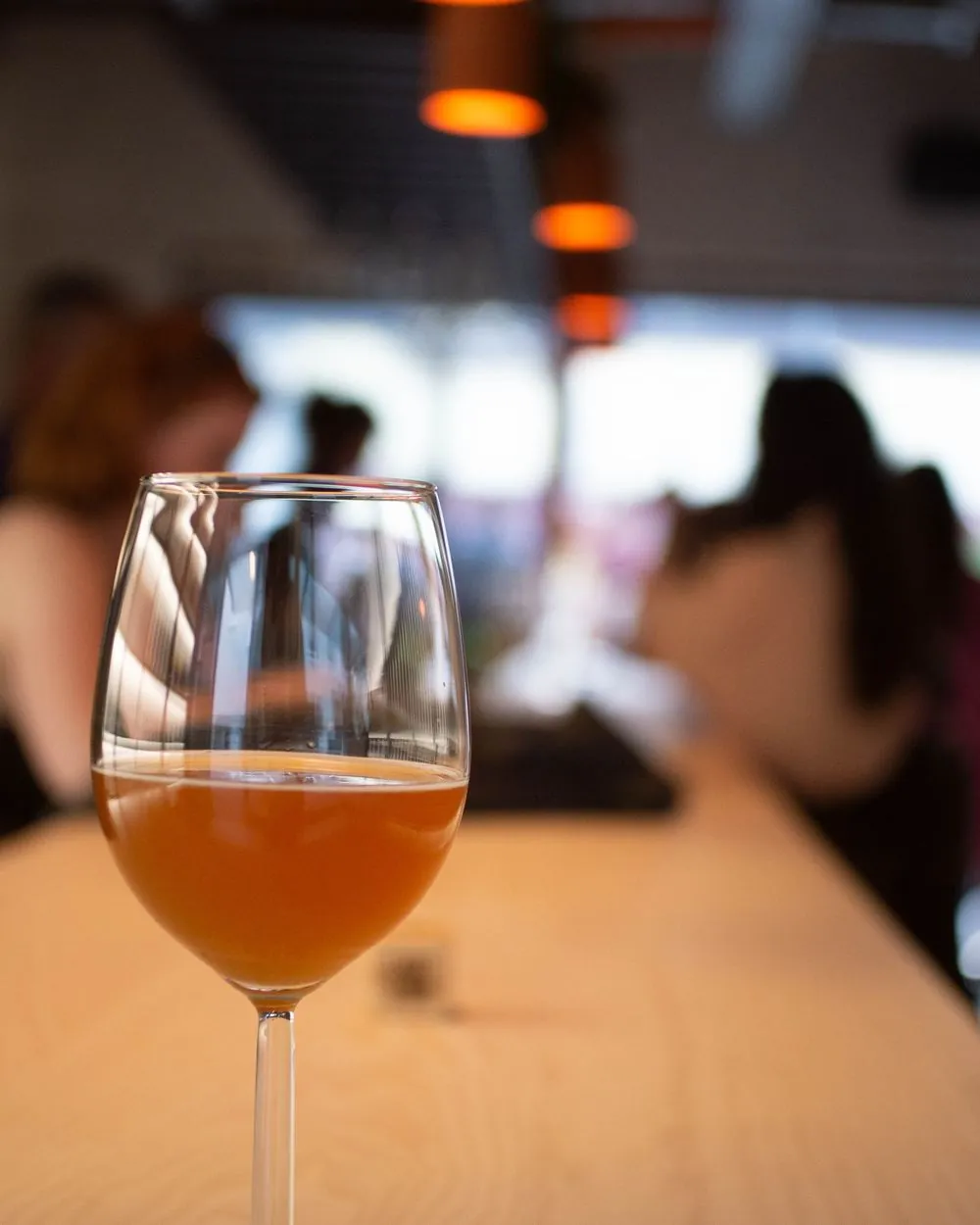
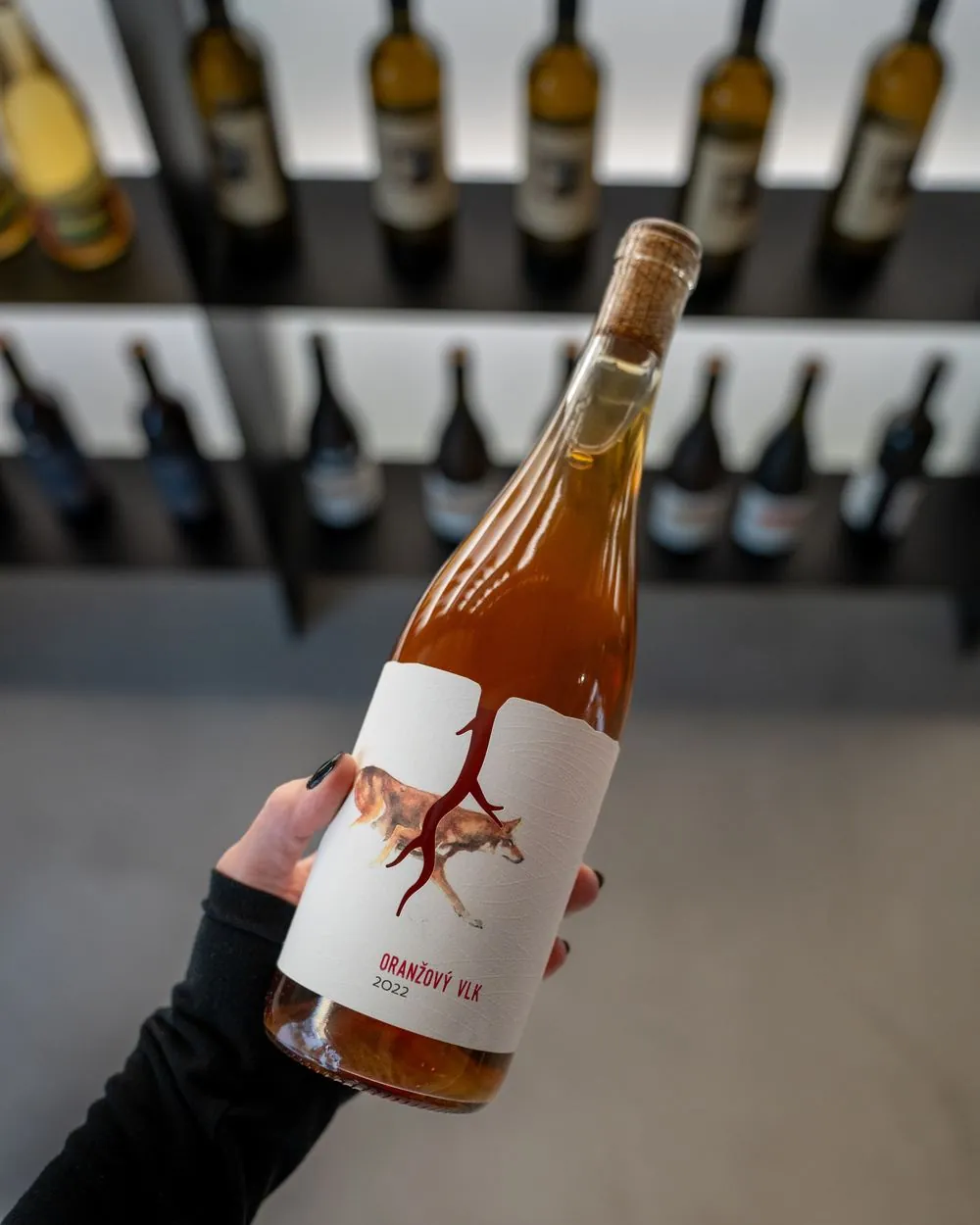
Orange wine is white wine made like red: the juice ferments together with the skins.
The skins give the wine an amber colour, tannin and more structure. Skin contact lasts from a few days to several months. In the Karst, Brda and Vipava our grandparents made wine this way, and today it is one of the best-known styles of Slovenian natural winemakers.
We prefer to call them skin-contact whites, since “orange wine” is mostly a marketing name. Drink them not too cold, from a big glass, with fish, white meat, cheese, prosciutto and dishes you would otherwise pair with red.
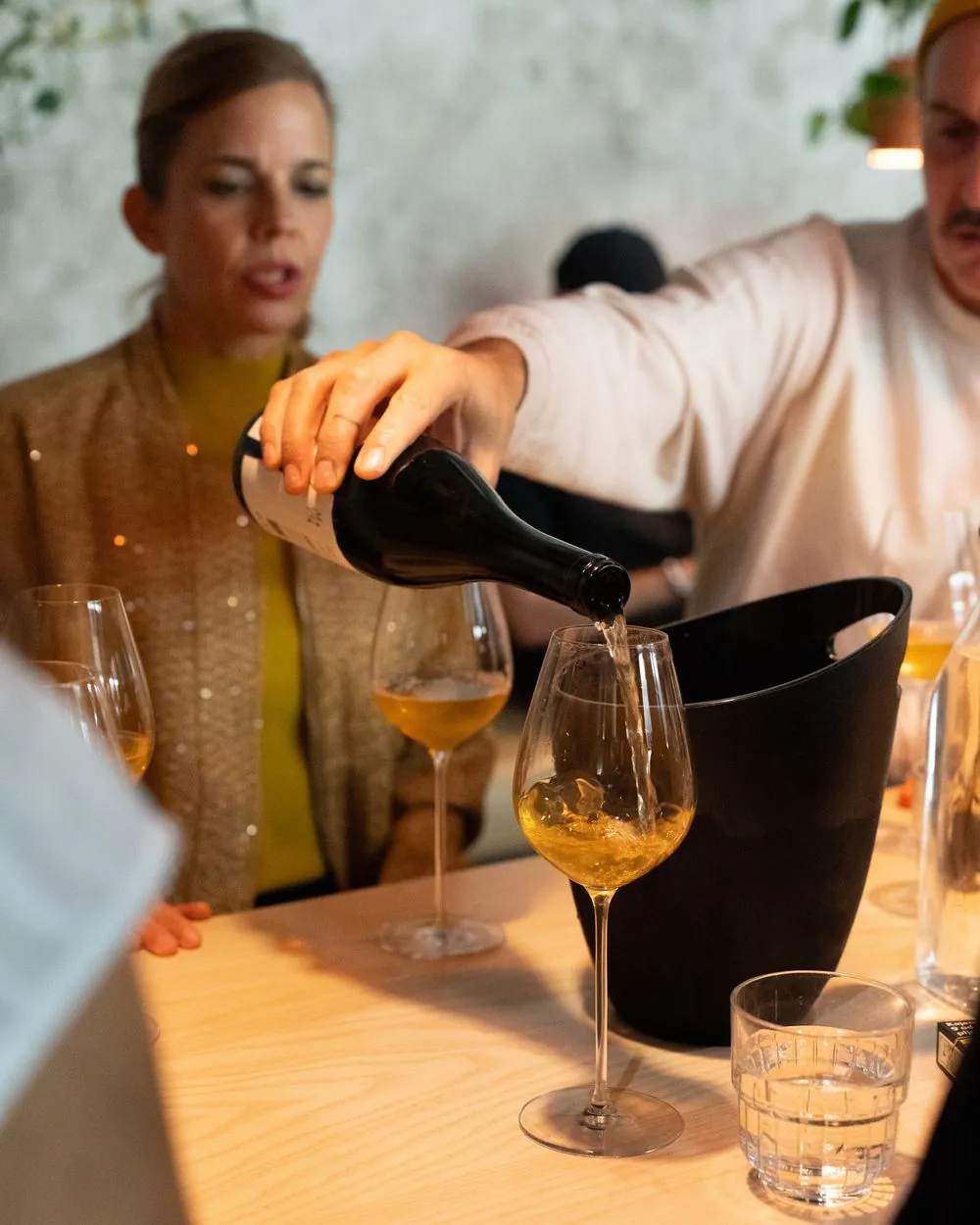
At our bar on Komenskega 30 they are on the list, by the glass or bottle. Our Orange wines tasting puts five side by side.
Pet-nat (pétillant naturel) is sparkling wine bottled while it is still fermenting. The bubbles form in the bottle on their own, with no added sugar or yeast. It’s usually a little cloudy, fresh and light, good for the garden.
Slovenia is small but has five very different wine landscapes. Below are the winemakers we pour and sell.
Red soil (terra rossa) and the bora wind. Teran, vitovska and malvazija, mineral and fresh wines.
Štemberger · Švara · Čotar · Renčel
Hills on the border with Italy’s Collio. Rebula, often with long skin contact, and plenty of orange wine.
Klinec · Nando · Terpin (just across the border)
Warm and windy. The native grapes zelen and pinela.
Slavček
Malvazija and refošk by the sea.
Klabjan
Šipon (furmint), welschriesling and sauvignon, fresh and lively wines.
Zorjan · Šumenjak
Sediment at the bottom is normal, because the wine isn’t filtered. Close an open bottle and keep it in the fridge. Many natural wines are even better the next day.
The easiest way in is a tasting at the bar.
Because it isn’t filtered. Tiny bits of yeast and grape stay in the wine. It isn’t a fault. Swirl it or let it settle.
Every wine has some sulphites, made during fermentation. Natural winemakers add little or none.
We can’t promise that. There’s no proof, and moderation helps with any wine.
Handwork, lower yields and more risk in the cellar. Winemakers make them in small quantities.
Orange wine is made from white grapes fermented with their skins. Rosé is made from red grapes with only brief skin contact.
With us, at Komenskega ulica 30: by the glass at the bar or at a tasting.
 Tasting
 Bar
 Kletvica Club